Industries We Serve
Pallet Requests for Your Industry
Every industry uses pallets a little differently. Tell us what you ship and we pass your request to partner suppliers. These notes cover what to ask for, and what to check first, in common sectors.
Send an Industry-Specific Request
Tell us your industry and requirements, and we pass them to partner suppliers.
Food & Beverage
Grocery, cold storage, and beverage businesses move a lot of product on 48x40 pallets. We can pass your request to partner suppliers, but we cannot tell you whether a pallet meets your requirements. Check your own requirements and ask the supplier about pallet condition, storage, and documentation.
What to ask about:
- GMA 48x40 pallets
- Grade and condition
- Heat treatment for export
- Repeat orders

Retail & E-Commerce
From full-size shipping pallets to half-pallets for store displays, retail operations use a range of formats. If your customers or carriers have their own pallet specifications, include them in your request and confirm them with the supplier.
What to ask about:
- Half-pallets (48x20)
- Appearance of the pallets
- Consistent dimensions
- Delivery timing
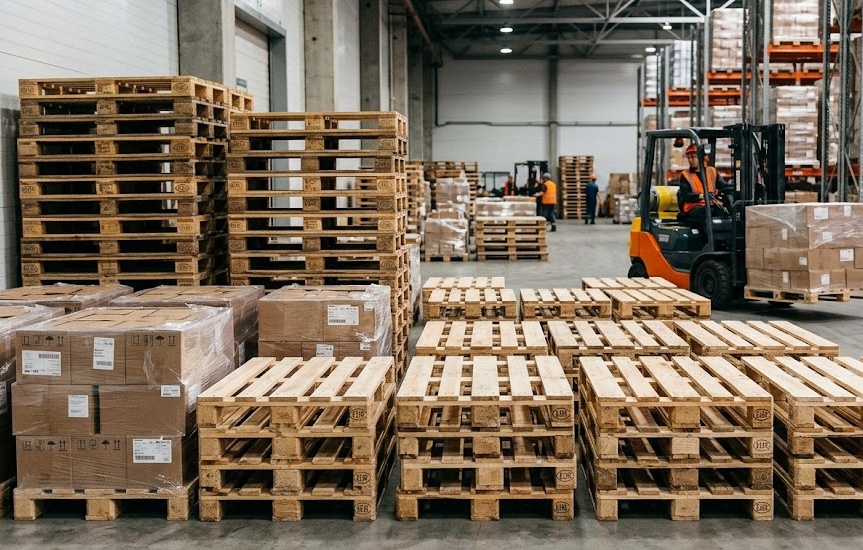
Manufacturing
Factories use pallets for raw materials, components, and finished goods, often with different needs for each. Ask partner suppliers about custom sizes for oversized items, and describe your load so a supplier can suggest a suitable build.
What to ask about:
- Custom sizes
- Stronger builds for heavy loads
- Mixed grades
- Repeat orders

Healthcare & Medical Supply
Medical supply distributors can send requests like any other business, but regulated goods can come with their own handling rules. We do not advise on those rules. Check your own requirements first, then ask the supplier what it can provide and document.
What to ask about:
- New or used options
- Pallet condition
- Supplier documentation
- Your own requirements

Automotive
Parts and components can be heavy or awkwardly shaped. Partner suppliers may offer block pallets and custom sizes for parts that do not fit standard dimensions. Share weights and dimensions so a supplier can suggest an option.
What to ask about:
- Load weight and shape
- Oversized custom pallets
- Block pallet construction
- Export treatment

Drums & Industrial Supplies
Drums and bulk containers are often shipped on square 48x48 pallets. Tell the supplier what the containers hold and how they are moved. If your goods are regulated, check current regulations and your own requirements before you order.
What to ask about:
- 48x48 pallets
- Board spacing
- ISPM 15 for export
- Your own requirements
Agriculture
From nurseries to packing houses, agriculture relies on pallets, and demand can swing with the season. Mention your timing early, along with how pallets will be stored, since outdoor storage is hard on wood. Ask the supplier about pallets used around produce.
What to ask about:
- Outdoor storage
- Seasonal timing
- Rural delivery options
- Grade for the job
Third-Party Logistics (3PL)
3PL warehouses can go through a lot of pallets and may end up with surplus ones too. You can use the same request to ask about buying pallets and about selling or recycling the ones you have left over.
What to ask about:
- Mixed sizes
- Selling surplus pallets
- Recycling broken pallets
- Quantity and location
Detailed Requirements
Pallet Specifications by Industry
Different industries tend to call for different pallet configurations. These are general starting points to raise with a supplier, not specifications for your business.
Food & Beverage
Clean loads, steady volume
- Common Sizes: Usually 48x40 GMA pallets, in stringer or block construction
- Load: Describe weight, stacking, and whether pallets go in racking
- Treatment: Needed for export under ISPM 15; ask what suits cold storage
- Grade: Ask how grades differ, especially for retail-facing shipments
- Volume: Say whether this is a single order or a repeat need
- Check: Your own food safety requirements, and what the supplier can document
Healthcare & Medical Supply
Check your requirements first
- Common Sizes: Commonly 48x40; other sizes depending on the goods
- Load: Describe weight and any automated handling
- Treatment: Needed for export under ISPM 15; otherwise ask the supplier
- Grade: Ask about condition, staining, and repairs
- Volume: Say whether this is a single order or a repeat need
- Check: Your own requirements, and what the supplier can document
Automotive
Heavy loads, custom dimensions
- Common Sizes: 48x40, 48x48, and custom sizes for larger parts
- Load: Share part weights so a supplier can suggest a suitable build
- Treatment: Needed for parts going overseas under ISPM 15
- Grade: Depends on use; ask what a supplier recommends for your loads
- Volume: Share your schedule so a supplier can say what is practical
- Check: Your customers' pallet specifications, and dimensions on arrival
Retail & E-Commerce
Appearance can matter
- Common Sizes: 48x40 GMA, plus 48x20 half-pallets for displays
- Load: Describe whether pallets are for shipping or display
- Treatment: Needed for international shipments under ISPM 15
- Grade: Higher grades tend to suit visible or retail-bound loads
- Volume: Mention seasonal surges early
- Check: Your retail customers' pallet specifications
Manufacturing
Mixed needs, custom builds
- Common Sizes: 48x40 plus custom sizes for machinery and equipment
- Load: Share weights and dimensions so a supplier can advise
- Treatment: Needed for goods going overseas under ISPM 15
- Grade: Often higher grades for outbound goods and lower for internal use
- Volume: Say whether this is a single order or a repeat need
- Check: Fit with your equipment, and consistency across orders
Agriculture
Seasonal demand, outdoor use
- Common Sizes: 48x40 for produce; 48x48 is also common
- Load: Describe weight and any uneven or shifting loads
- Treatment: Needed for export under ISPM 15
- Grade: Lower grades may suit field use; ask about retail-bound loads
- Volume: Mention harvest timing as early as you can
- Check: Your buyers' requirements, and how pallets will be stored
Logistics & 3PL
High turnover, mixed clients
- Common Sizes: Mostly 48x40 GMA, with other sizes as clients need them
- Load: Varies by client; share the range you handle
- Treatment: Ask for treated pallets to be kept separate for export clients
- Grade: Often a mix; ask how a supplier sorts and labels them
- Volume: Give an estimate, and mention surplus pallets you want to move
- Check: Each client's requirements, and supplier documentation
Construction
Rough handling, outdoor storage
- Common Sizes: 48x40, 48x48, and custom sizes for building materials
- Load: Share weights; building materials can be heavy on a pallet
- Treatment: Usually only needed if materials are being exported
- Grade: Structure tends to matter more than appearance on a jobsite
- Volume: Say whether this is one project or ongoing
- Check: Jobsite access for delivery, and unloading equipment
Regulations and Standards
Requirements to Check Before You Order
Wooden pallets can be subject to different rules depending on the goods and where they are going. This is general information, not legal advice. Universal Pallet Supply does not hold certifications, so check current regulations and ask the supplier for documentation.
Food Shipping Rules
Food & Beverage, Agriculture, Retail
US food transport rules generally expect equipment and materials used around food to be clean and suitable. Rules and how they apply change, so check current regulations and your own food safety plan. Then tell the supplier what you need and ask about pallet condition and storage. We cannot tell you whether a given pallet meets your requirements.
Regulated Goods
Healthcare, Drums, Industrial Supplies
Some goods come with handling or packaging rules of their own. We do not advise on those rules, and partner suppliers may not be able to supply every requirement. Work out what applies to your goods first, then put it in your request and confirm with the supplier what it can provide and document.
ISPM 15 (International Standards for Phytosanitary Measures)
All industries with international shipments
ISPM 15 is the international standard for wood packaging material in trade, covering pallets, crates, and dunnage. Packaging must be treated and marked to reduce the risk of spreading pests. Under the heat treatment (HT) method, wood reaches a core temperature of 56°C for at least 30 minutes. Compliant packaging carries the IPPC mark. Rules can vary by country, so check the requirements for your destination and ask the supplier for documentation.
Customer and Industry Specifications
Automotive, Retail, Construction
Beyond regulations, many businesses set their own pallet specifications. A manufacturer or retailer may ask for exact dimensions, a certain construction, or a certain appearance. If you are shipping to a customer with specifications like these, include them in your request and ask the supplier to confirm it can meet them before you order.
Practical Tips
How to Frame Your Request
Common pallet situations, and the details that help a partner supplier respond. These are general suggestions, not customer stories.
A Steady Warehouse Supply
If you use pallets week after week, include your typical volume, how often you need them, and each delivery location. Say what grade you use now and what you like or dislike about it. Ask whether repeat orders are possible and how pricing works for them.
Several Pallet Types at Once
If you need standard pallets, custom sizes, and export pallets, list each one separately with its size and quantity. Mention any surplus pallets you want to move as well. Some suppliers may handle all of it, and others may handle only part of it.
Too Many Pallets Left Behind
If clients leave pallets behind, estimate how many you have, what sizes they are, and how many are broken. Keep good pallets apart from damaged ones if you can. Ask whether a supplier would buy them, collect them, or charge for removal, as this depends on condition and location.
A Short, Busy Season
If your demand peaks at harvest, say when the season starts and ends, and give a rough total. Ask early, since supply can tighten when demand is high. Find out what the supplier can do in the peak weeks and whether delivery in stages is possible.
Tailored Configurations
Custom Requests by Industry
Off-the-shelf pallets do not always fit. Some partner suppliers build custom pallets, so describe what you need and availability will depend on the supplier. Here are some common examples.
Cold Storage Pallets
Cold rooms can be hard on pallets, and pallets stored in the wet can pick up moisture. Tell a supplier about the temperature, the load, and the way pallets will be stacked, and ask what it recommends.
- Storage conditions
- Deck board spacing
- Pallet condition
Heavy Component Pallets
Heavy parts may need a stronger design than a standard pallet. Partner suppliers that build custom pallets can work from your dimensions and weights. Ask about notching and how the design supports your load.
- Weights and dimensions
- Custom notching
- Your specification sheet
Drum Pallets
Square 48x48 pallets are common for drums, and deck board spacing affects how a drum sits. Say what size drums you use and how many go on each pallet. Check your own requirements for what is inside them.
- Drum size
- Board spacing
- Your own requirements
Display Pallets
Half-pallets and quarter-pallets are often used for in-store displays, where appearance can count. If a retailer has given you a specification, send it along and ask the supplier to confirm it can meet it.
- Pallet format
- Appearance
- Retailer specification
Export Pallets
Pallets going overseas generally need to meet ISPM 15. Ask for treated pallets with the IPPC mark, say where they are going, and ask the supplier for documentation. Build in time before your shipping date.
- ISPM 15 treatment
- IPPC mark
- Destination rules
Heavy-Duty Lumber Pallets
Bundled lumber, steel, and roofing materials may call for oversized pallets with stronger construction. Tell the supplier what the load is and how it will be lifted and handled on site.
- Oversized dimensions
- Handling method
- Load description
Knowledge Center
Industry Resources
Understanding pallet standards and terms helps you make better purchasing decisions. Explore our guides and reference materials below.
Pallet Grading Explained
Learn how Grade A, B, and C pallets usually differ, what each grade tends to suit, and how to pick the right grade for your job.
Read MoreISPM 15 Basics for Exporters
Look up what terms like HT, MB, and IPPC mark mean, so you can ask for the right pallets and documentation for international shipments.
Read MoreShould You Use a Referral Service?
See when a single request saves time, when it may be better to contact suppliers yourself, and what to expect either way.
Read MorePallet FAQ
Find answers to common questions about pallet types, grades, sizes, buying, and selling before you send a request.
Read MorePallet Reuse and Recycling
Learn how reuse, repair, and recycling work, and what to ask a supplier if reducing waste matters to your business.
Read MoreHow Requests Work
Follow a request from our form to partner suppliers, and see what suppliers typically do with pallets along the way.
Read MoreVolume
Planning a Request by Volume
How much you need affects what a supplier can offer. Partner suppliers set their own pricing and minimums, so here is what to mention at each scale.
Smaller Orders
A stack or a partial load
- Minimums vary, so ask the supplier
- Ask about customer pickup
- Delivery can cost more per pallet
- Say if you might need more later
Regular Orders
Repeat needs over time
- Give your usual volume
- Say how often you need pallets
- Ask how pricing works for repeat orders
- Agree on how pallets are counted
- Mention surplus pallets to move
Large or Multi-Site Orders
Truckloads or several locations
- List every delivery location
- Expect availability to vary by area
- Give the sizes and grades for each site
- Mention seasonal swings
- Discuss terms directly with the supplier
- Check your own requirements
Not sure where you fit? Send a quote request with your estimated volume, and a partner supplier can talk through the options.
Don't See Your Industry?
If it ships on a pallet, send a request anyway. Tell us what you need, and we pass it to partner suppliers. Availability depends on partner suppliers.
Request a Quote